
Practical Fridge Articles on Sizes, Fit, Temperature and Fixes
These articles answer the everyday questions that come before and after buying a fridge, from sizes and layouts to temperature and troubleshooting.
This is where you find our practical, non-ranking articles. They explain how fridges are sized, how the main styles differ, what the numbers on a spec sheet mean and what to check when something goes wrong.
Scan the cards below and pick the one that matches your question. Titles that mention dimensions or depth help with fit, comparisons between styles help you choose a layout, and the troubleshooting and temperature articles cover daily use.
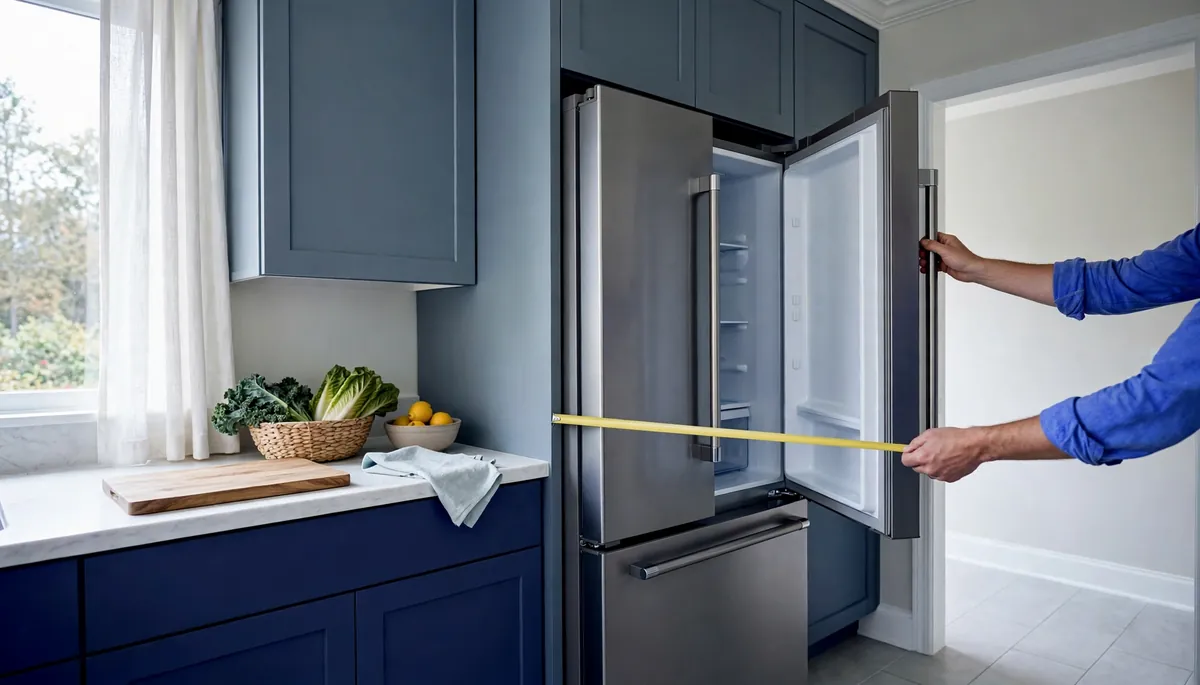
What Are the Dimensions of a Counter-Depth Fridge?
Counter depth fridge dimensions: about 68 to 72 in tall, 30 to 36 in wide, and 24 to 25 in deep at the case. See depth with handles, clearances and how to measure.
Read more →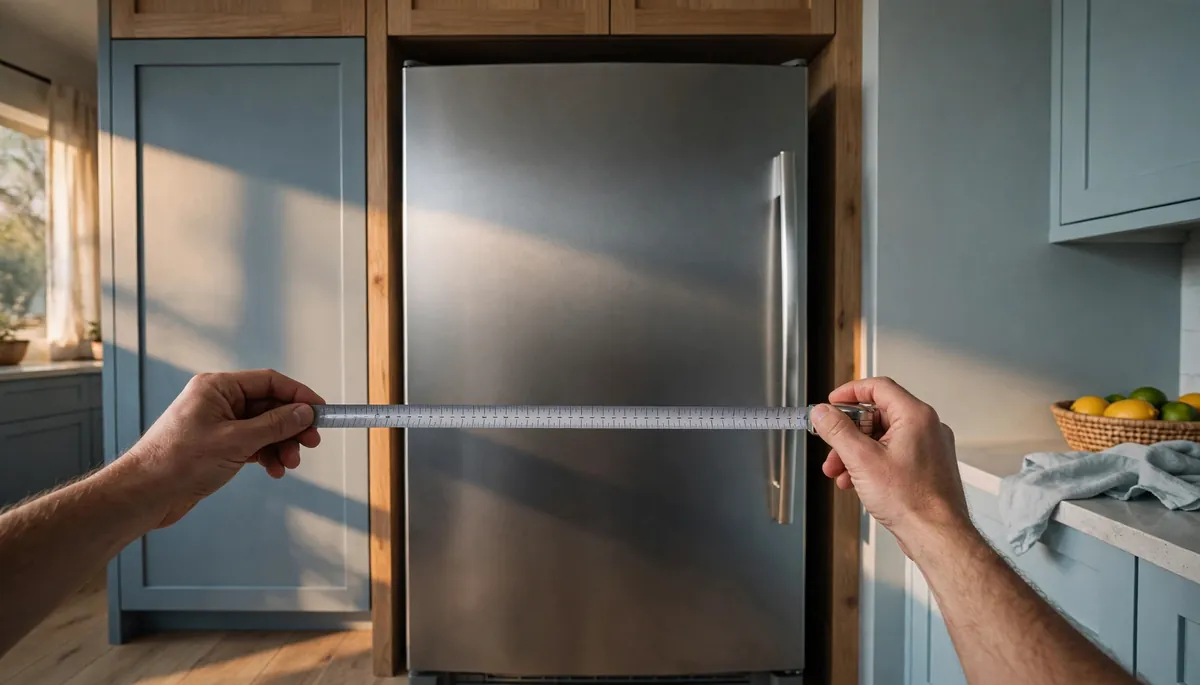
Fridge Dimensions: How Big Is a Standard Refrigerator?
A standard full-size fridge is about 28 to 36 inches wide, 64 to 72 inches tall and 28 to 37 inches deep, with 18 to 28 cubic feet inside.
Read more →
What Is a Garage-Ready Refrigerator?
A garage-ready refrigerator is rated to keep cooling in spaces colder or hotter than a normal room, roughly 38 to 110°F for many models. Learn if you need one.
Read more →
What Is the Right Temperature Range for a Fridge?
A fridge should run at 37°F, inside a 35–38°F band, and never above 40°F. The freezer stays at 0°F or below. Here is how to check yours.
Read more →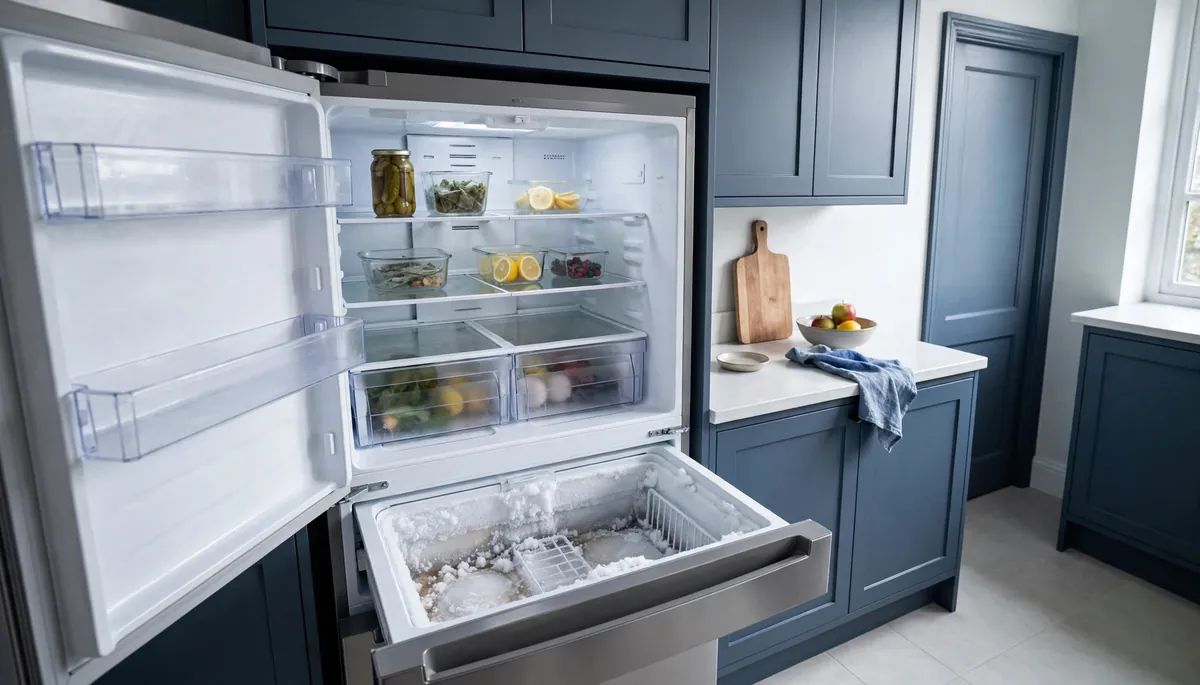
Fridge Not Cooling? Common Causes and How to Fix Them
Fridge not cooling? Check if it's running, if the freezer is still cold and if there's frost inside, then fix the cause or know when to call a technician.
Read more →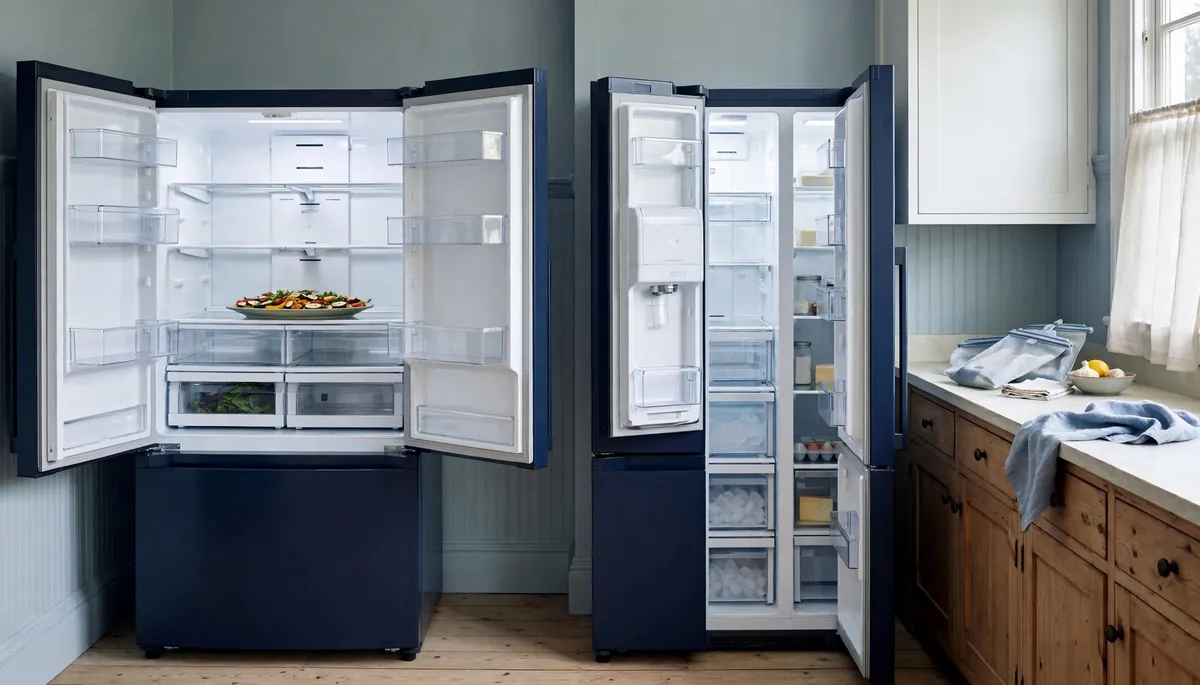
French Door vs Side-by-Side Fridge: Which One Fits Your Kitchen?
French door suits wide platters and eye-level food; side-by-side suits tight kitchens and easy reach. See how space, ice, energy and fit compare.
Read more →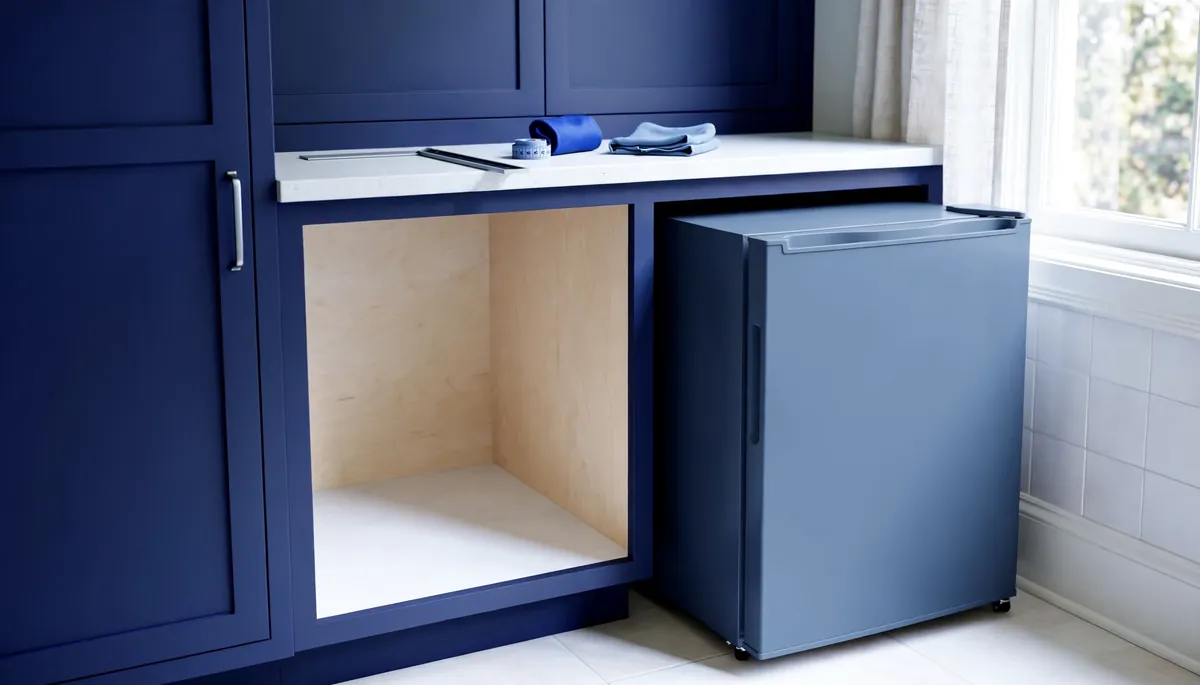
Under-Counter Fridge Dimensions: What Size Fits Your Cabinet Opening?
Most under counter fridge dimensions are 24 inches wide, 34 to 35 inches tall and 24 to 25 inches deep. Learn the cutout, venting and how to measure.
Read more →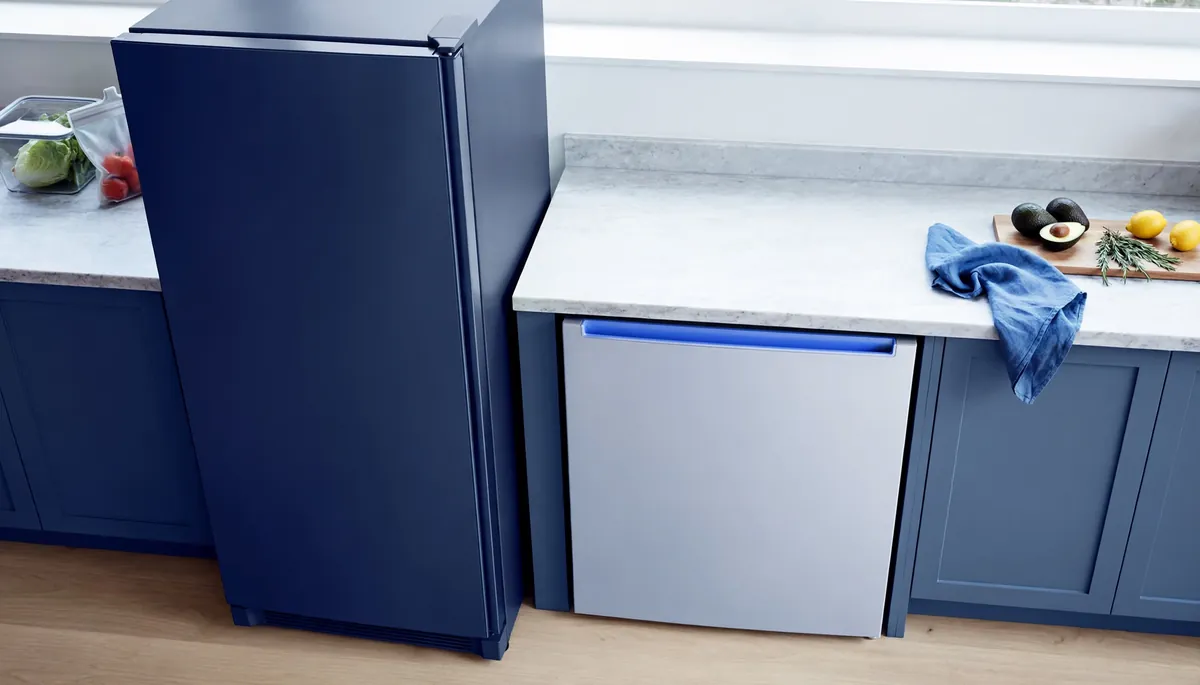
Standard Depth vs Counter Depth Fridge: Which Should You Choose?
A standard-depth fridge runs 30 to 36 inches deep and stands well past the counter. A counter-depth one sits near the counter line but holds less food.
Read more →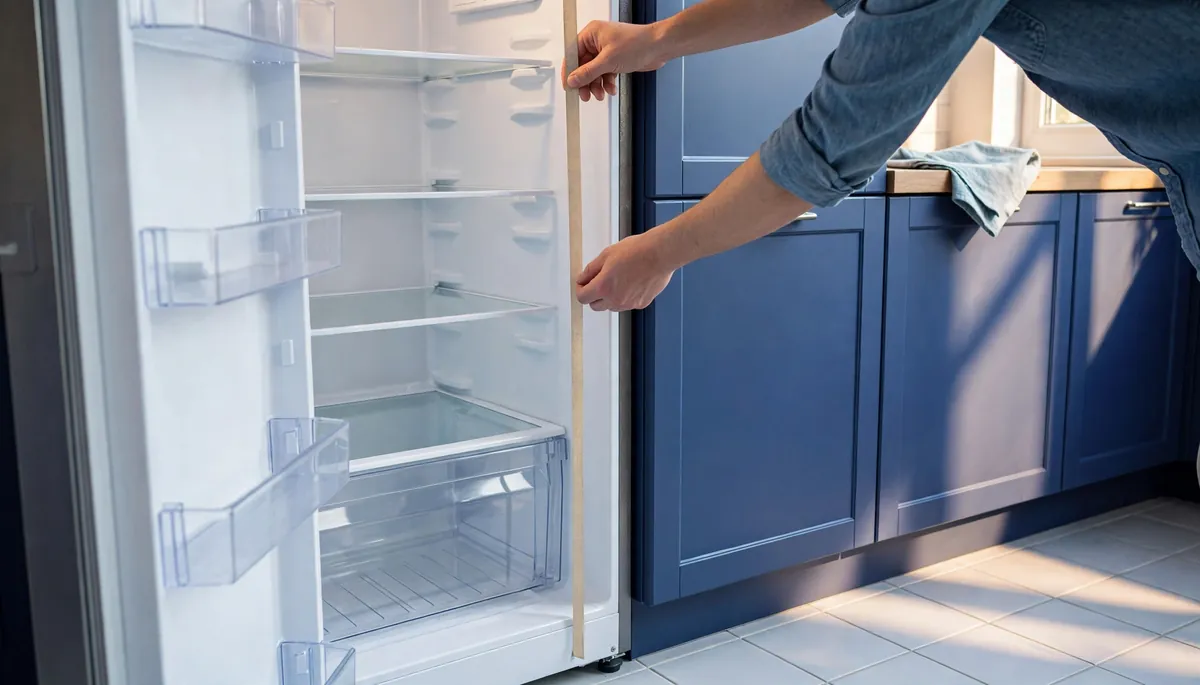
How Do You Measure the Cubic Feet of a Fridge?
A fridge's cubic feet is its interior volume. Read the yellow EnergyGuide label or the rating plate first, or measure each compartment inside and divide by 1,728.
Read more →
Refrigerator vs Freezer: What Is the Difference?
A refrigerator holds food above freezing at about 37°F to slow spoilage. A freezer holds it at 0°F to stop spoilage for months. Here is what separates them.
Read more →Start with the space, then the style
Most fridge mistakes come from the opening, not the appliance. Height, width and depth decide whether a fridge fits, and depth matters most when the fridge sits beside cabinets or in a narrow kitchen. If you are unsure what counts as normal, begin with the articles on standard dimensions and on counter depth versus standard depth.
Once the space is settled, the style question gets easier. French door and side-by-side layouts trade shelf width against door swing, and an under-counter model depends on the exact cabinet opening. Read the comparison that matches your short list before you look at individual models.
Capacity numbers need context
Cubic feet is the figure most buyers compare, but it measures total volume, not usable space. Shelf layout, door bins and the freezer share all change how much you can actually store. Our article on how cubic feet is measured explains what the number includes, so you can compare two fridges on equal terms.
It also helps to know where the line falls between a refrigerator and a freezer, since some units combine both and others do only one job. That distinction affects capacity, temperature and where you can place the unit.
Temperature, placement and when something fails
A fridge that runs well depends on a sensible temperature range and on placement. Units meant for a garage or another unconditioned space are built for wider room temperatures, which is why the garage-ready article is worth reading before you move a fridge out of the kitchen.
If a fridge stops cooling, work through the basics first: the temperature setting, airflow around the unit, door seals and the condition of the coils. The troubleshooting article walks through the common causes in a sensible order, so you can tell a quick fix from a problem that needs a technician.